
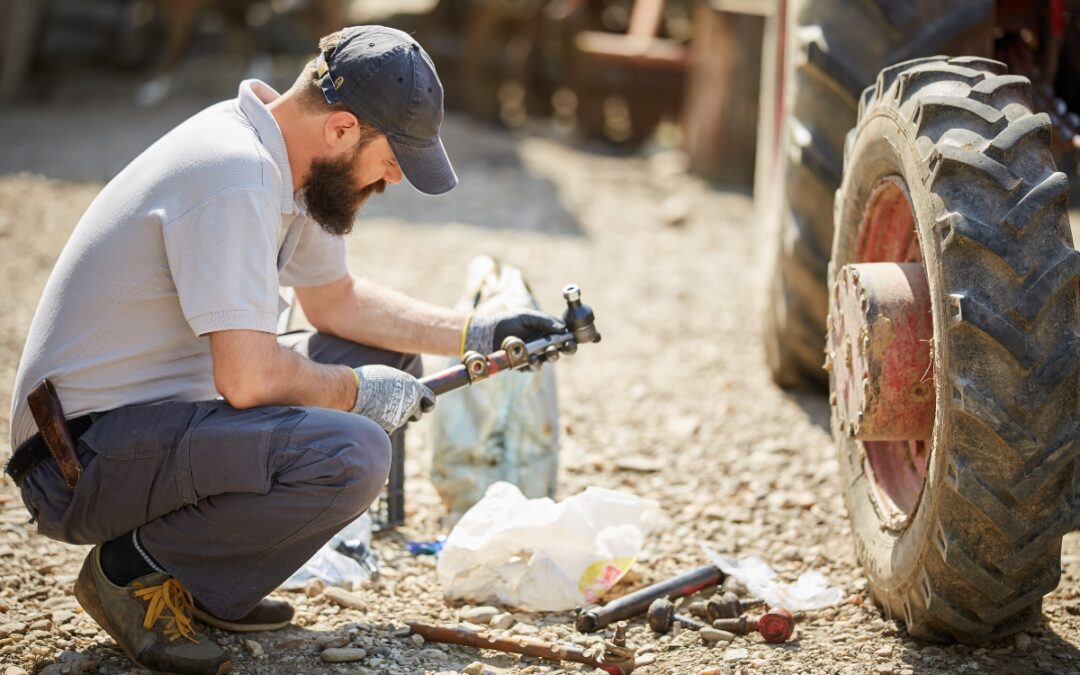
It always happens at the worst possible time. The load is tight, the schedule is tighter, and then you feel it: a shudder, a pull, a warning light, or just a sudden, ugly silence where the engine used to be. You coast to the shoulder, put it in park, and stare at the dashboard for a second, wishing you could rewind the last five minutes.
Every driver has been there, or will be. What you do in the next few minutes matters more than almost anything else, and most of it is simple. Here’s a calm, practical rundown of what to do before the repair truck gets to you.
Move Off the Road as Far as You Safely Can
#image_title
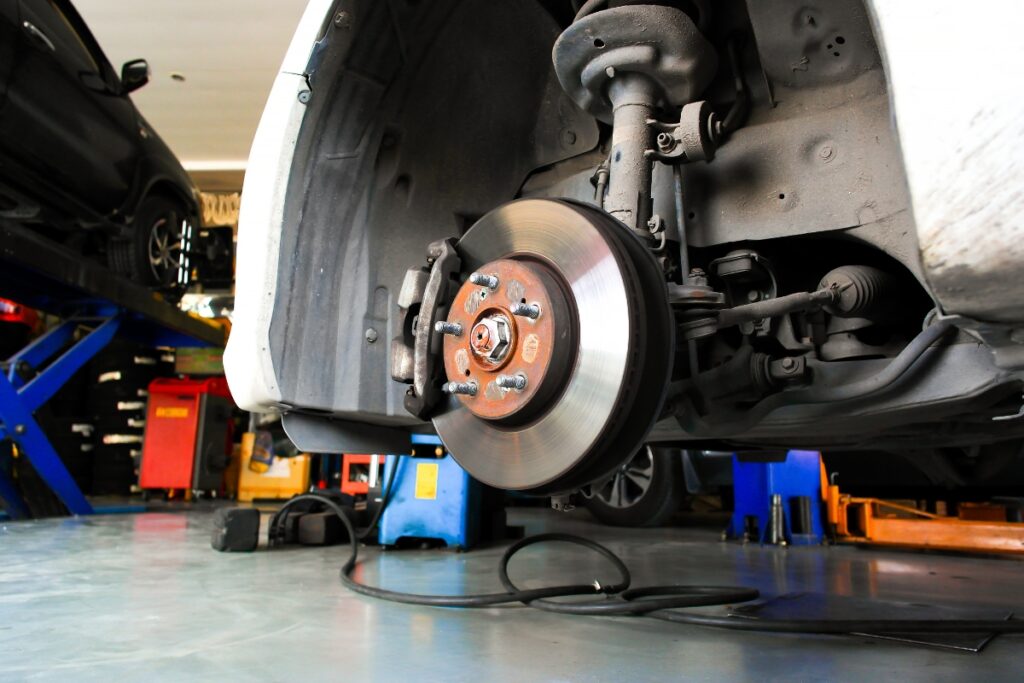
If you sense trouble brewing, don’t wait for the engine to give out. Ease off the throttle, signal, and steer toward the shoulder while you still have power and steering. Aim for the widest, flattest spot you can find. A long straight stretch is far better than a blind curve or the crest of a hill, where other drivers won’t see you until it’s almost too late.
If you have a choice, pull well past the white line and keep as much distance from traffic as possible. A few extra feet can feel like nothing when you’re stopping, but it can make all the difference once the trucks start roaring by at highway speed.
As soon as you’ve stopped, set the parking brake, shift into park or neutral, and switch on your hazard lights. Do this even in bright daylight. Those flashing lights are your first and cheapest form of protection.
Think Before You Step Out
This is the part people rush, and it’s the part that can hurt you. Before you open the door, take a breath and look around. Check your mirrors, watch the traffic, and think about which side you’ll be exiting on.
If you’re on a busy highway with fast traffic, it’s often safest to stay buckled in the cab while you make your first calls, especially if you’re close to the lane. Being inside a heavy truck is a lot safer than standing next to it. If you do need to get out, use the door on the side away from traffic and keep an eye over your shoulder the whole time.
If you see smoke, smell burning, or suspect a fire, the rule changes. Get out, get yourself and anyone with you well away from the vehicle and the road, and call emergency services. Equipment can be replaced. You can’t.
Make Yourself Impossible to Miss
Visibility is everything on the shoulder. Besides your hazards, put out reflective triangles or flares if it’s safe to do so. On a divided highway, the usual practice is to place them at roughly 10, 100, and 200 feet behind your vehicle so approaching drivers get plenty of warning. Check the rules where you’re driving, since requirements can vary, and always walk on the side away from traffic when you’re setting them out.
If you’re stopped at night or in bad weather, put on a reflective vest as well, and keep a flashlight handy. A bright light waved gently can catch a driver’s attention much faster than a dark shape standing in the gloom.
If you can, angle your front wheels away from the road. Should something strike the truck, you want it to roll away from traffic, not into it.
Make the Call, and Make It Count
#image_title
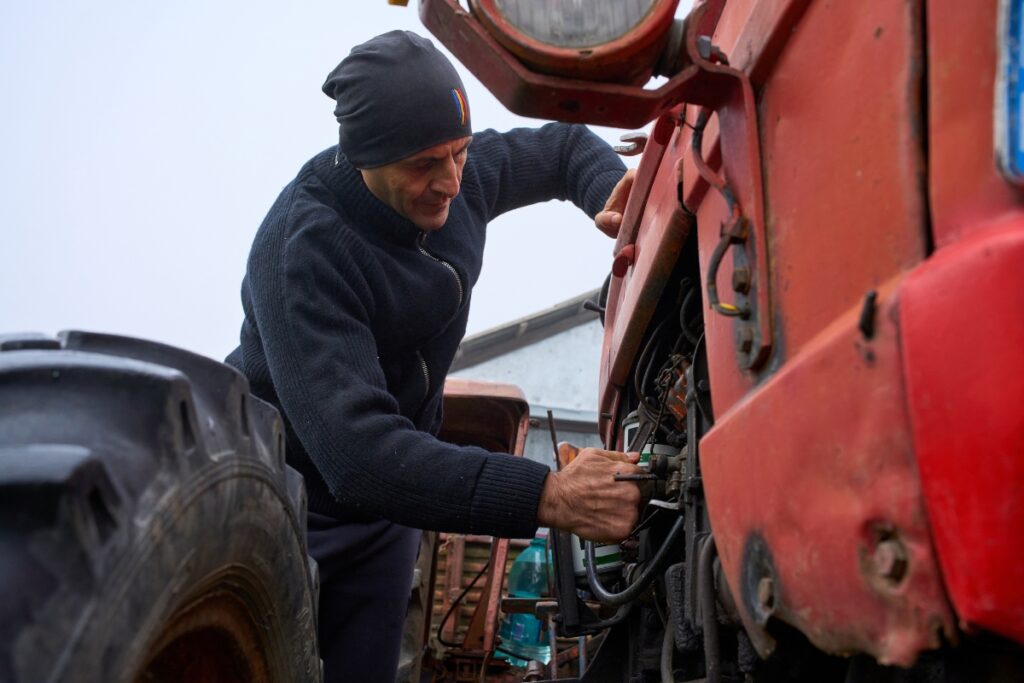
Once you’re safe, it’s time to call for help. A little preparation pays off here. Whether you’re phoning a 24/7 mobile repair service, your dispatcher, or your fleet manager, the more clearly you explain what’s going on, the faster they can get the right tech and the right parts to you.
Have this ready:
- Your exact location: Mile marker, direction of travel, nearest exit or cross street. Your phone’s map pin works too.
- What happened: Was there a noise, a smell, a warning light, a loss of power, a flat? Describe it in your own words.
- Vehicle details: Make and model of the tractor, trailer type, and whether you’re loaded.
- Your safety situation: Are you on a narrow shoulder, on a hill, in a hazardous spot? They need to know.
- A number they can reach you on: Keep your phone charged and nearby.
Don’t worry about diagnosing the problem perfectly. A good mobile mechanic would rather hear “it sputtered, lost power, and then died” than a confident guess that turns out to be wrong. Simple observations are worth more than theories.
Resist the Urge to Tinker
It’s tempting to pop the hood and see if you can fix it yourself. Sometimes that’s fine, like checking a loose connection on a quiet, safe road. But on a busy shoulder, working near traffic is risky, and poking around a hot engine, a pressurized cooling system, or a fuel line can be dangerous.
If you’re not sure, wait. You’ll avoid a burn or a bigger problem, and you won’t accidentally mask the symptoms the technician needs to see. If you do look around, take your time and use your phone to take a few photos or short videos. Leaking fluid, a loose belt, a flat tire, or a damaged coupling are all useful for the tech to see before they arrive.
Prepare for the Repair Truck
While you wait, a few easy steps can make the repair go faster.
First, think about where the service truck will park. A mobile repair vehicle needs space to stop safely and room for the tech to work, so leaving a bit of buffer behind your rig helps. Stay in contact so they know how to find you.
Second, gather your paperwork: registration, insurance, any service history you have, and your authorization details if you’re driving for a company. If a previous repair or warning might be related to the problem, mention it. Little details like “it was running hot yesterday” can shave real time off the diagnosis.
Third, if you’re hauling something sensitive, like perishables or time-critical freight, let your dispatcher or customer know early. A heads-up costs nothing and can save a lot of headaches.
Look After Yourself While You Wait
#image_title
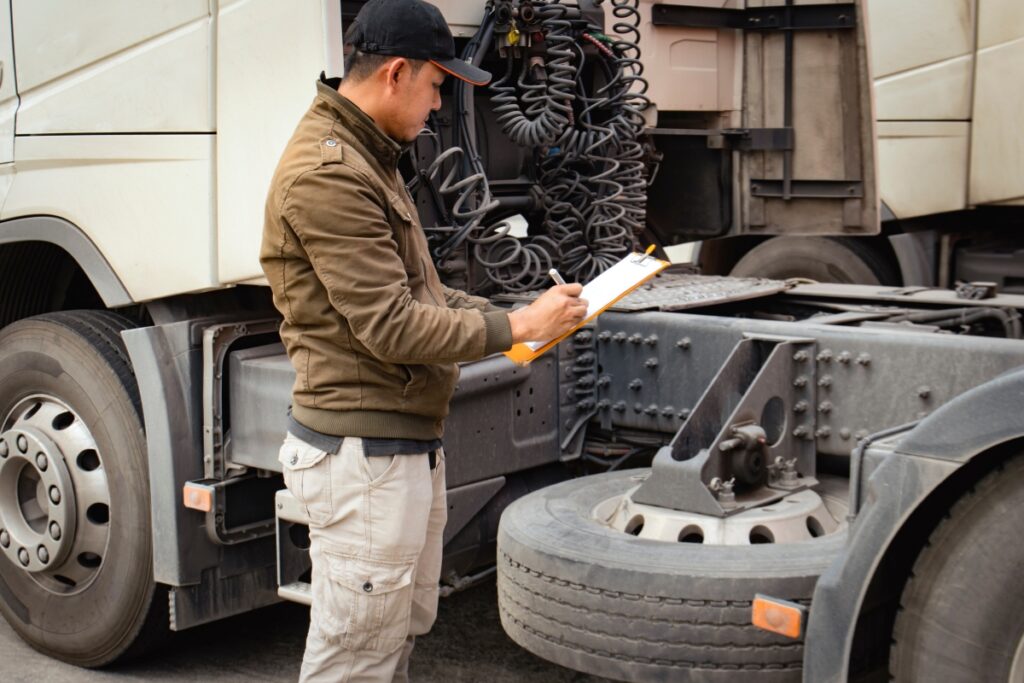
Waiting is the hard part. Minutes drag, trucks thunder past, and your mind runs through everything that could go wrong. A few small things help.
If it’s hot, stay hydrated and find shade if you can safely. If it’s cold, keep a blanket, gloves, and a warm layer in the cab, and be careful about idling in an enclosed space or with snow around the exhaust. Keep your phone charged, and if you’re alone at night, share your location with someone you trust.
Take a moment to just breathe. Being stuck isn’t a failure. It’s part of the job, and the best thing you can do is stay safe, stay patient, and keep the lines of communication open.
Build a Simple Breakdown Kit
The best time to prepare for a breakdown is before it happens. A small kit in the cab can turn a stressful situation into a manageable one. Useful items include:
- Reflective triangles or flares
- A reflective vest and a flashlight with spare batteries
- A phone charger or power bank
- Work gloves and a basic tool kit
- Water, snacks, and a blanket
- Copies of your registration, insurance, and emergency contact numbers
Battle Ready Roadside LLC offers 24/7 mobile tractor and trailer repairs. For emergency repairs, call 623-755-1196 or email battlereadyroadside@gmail.com.
